
Disclaimer: I am writing this post as a person who has been affected by mold. I am not a doctor or mold specialist, so I am writing about what I know so far and am always updating my knowledge base along the way. If you have questions about your own life, contact a trained professional. And, if you feel the need to criticize me on the contents of this post, please save the drama for your mama. 🤣
***Please go back and read Let’s Talk About Mold before reading this post.***
If you read my Backstory posts, you might remember that I first suspected that mold was causing at least some of my health issues in my mid-twenties. Unbeknownst to me at the time, I was teaching in a classroom/school that had a major flooding incident the summer before my first day on the job. Within the first few weeks of that school year, I started having a variety of health issues that quickly became chronic, and I had no idea why. I eventually found mold growing on some of the furniture in my classroom, so I asked my medical providers about it on several occasions. However, none of the medical providers in my life at that time took me seriously. In fact, many of them tried to convince me that it was all in my head.
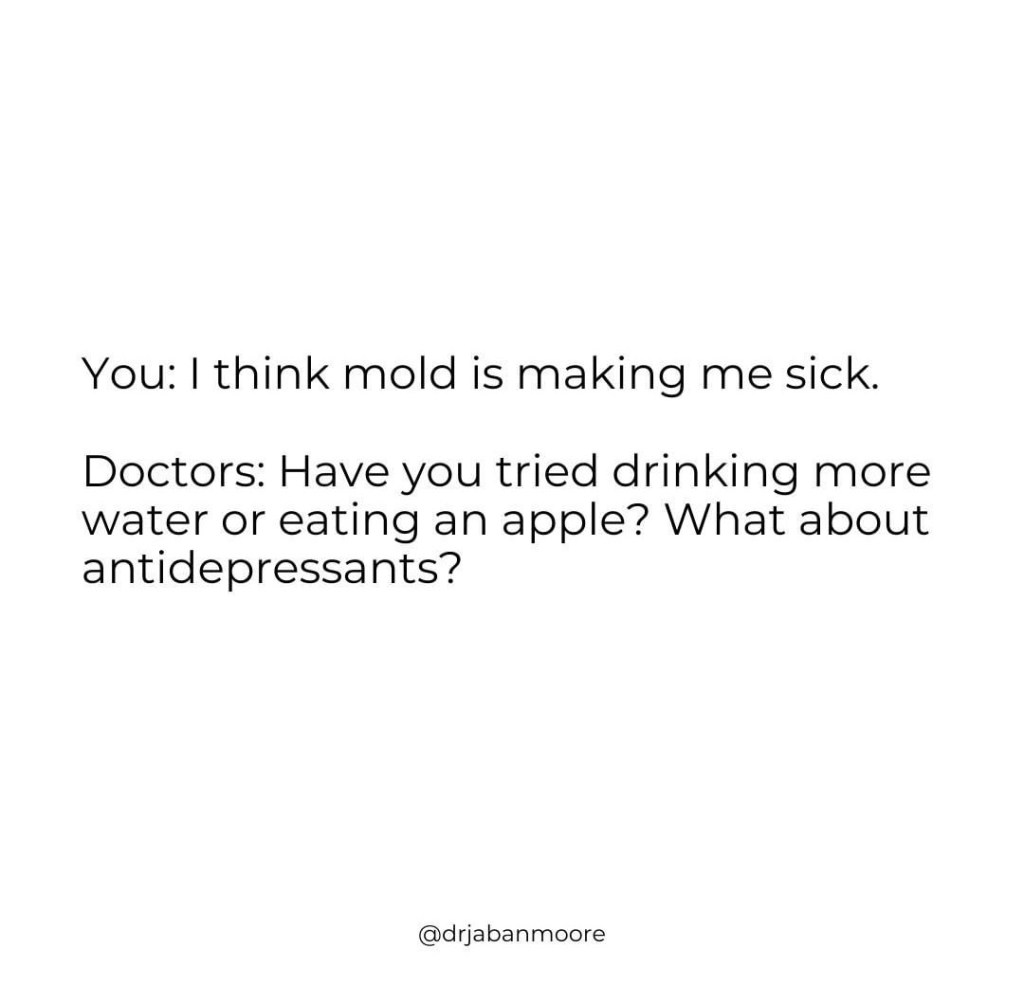
Not much is known about mold in the general population, and the same is true in the medical community. Here are some examples of what mold toxicity does to the body:

In fact, mold toxicity can present in ways that are similar to many different types of health issues.

If you have been following along and reading my blog posts, some of the items listed above may sound familiar to you. This is one reason why my health situation is extremely complex. Which issue is causing which symptom? Is it the mold toxicity or something else? And so on.
In order to provide some context, here are the results from a mold mycotoxin urine test I completed in February 2023:
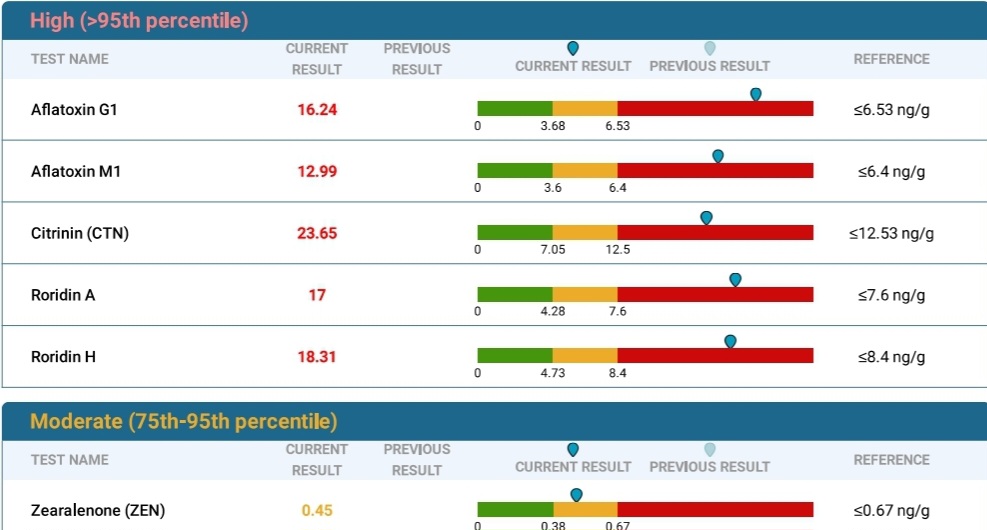
Mycotoxins are poisonous substances produced by fungi or mold. They can be toxic for humans when they are eaten, absorbed into the skin, or inhaled. A small amount of mycotoxin can be damaging to human or animal health and even cause death. As you can see, I am in the High (>95th percentile) category for 5 types of the most common mycotoxins and in the Moderate (75th-95th percentile) category for 1 additional common type of mycotoxin. My doctor doesn’t usually see results as high as these. He informed me at my first appointment that most people in my situation — with results like mine — are bedridden. According to him, the fact that I am not bedridden is a testament to everything I have done, and continue to do, for my health.
Mycotoxin results this high can be from a combination of food and environmental sources. The molds/fungal strains that commonly produce these types of mycotoxins include: Aspergillus parasiticus, Aspergillus flavus, Penicillium, Fusarium, and Stachybotrys chartarum (Black mold). Some common food sources of mold include rice, wheat, oats, coffee, apples, corn, peanuts, and beans. Environmental sources of mold include all previous and current living and working environments. (This is why my doctor asked my husband and I to have a variety of environmental tests for mold completed for our home to ensure that our house is as safe as possible. The professionals currently believe that my environmental mold exposure is from previous exposure — childhood homes, classrooms and schools, college apartments, work environments, etc. — and not from our current home.)
It is difficult to say how long my body has been dealing with these toxins, and permanent damage to my body remains uncertain. Here are quotes about the mycotoxins listed on my test results:
“______ demonstrates cytotoxic and carcinogenic effects on numerous organ systems, such as hepatic, renal, and lung tissues.”
“______ can cause liver damage, poor production, immune suppression, internal hemorrhaging, muscle tremors, and impact gain and efficiency.”
“The kidney is the predominant organ of ______ related toxicity which is thought to be linked to oxidative stress and mitochondrial dysfunction.”
“______ has been found to have immunotoxic, hepatotoxic and estrogenic effects.”
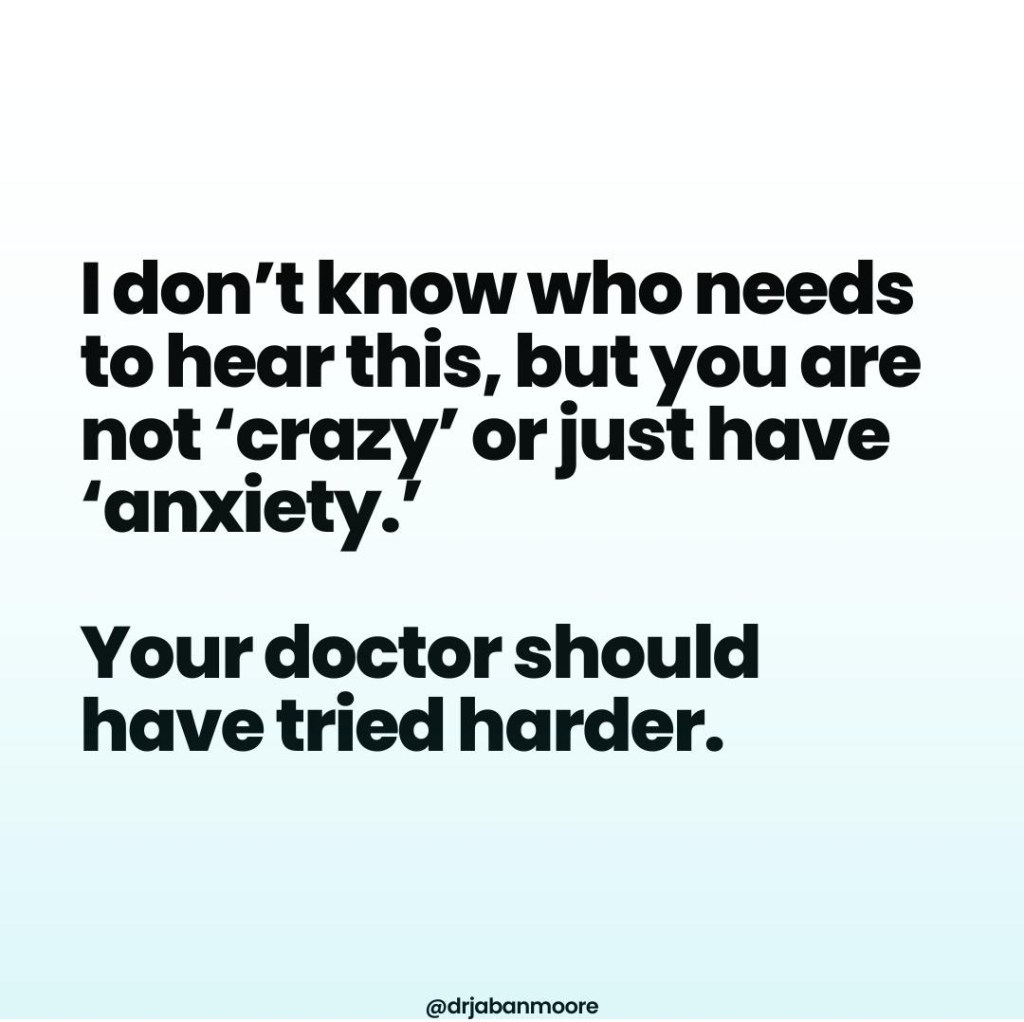
What my body is going through in regard to mold is a serious health matter. I have no idea what the future holds, and the entirety of my situation can be overwhelming on even the best of days. I try not to spend too much time thinking about the things that I can’t control, but I do know that most of my previous doctors should have tried harder.
On my worst days, I let myself feel the anger, sadness, and disappointment. Then, I remind myself of everything I have done in the last 20+ years to promote the best possible outcome: eating relatively clean, removing common inflammatory foods, drinking non-contaminated water, using natural cleaning products, using natural personal hygiene products, using a variety of tools to regulate my nervous system, working on processing any and all emotional trauma through therapy, utilizing stress relieving strategies, doing Biofeedback, Neurofeedback, and acupuncture, etc. Some of these things were protecting my liver, kidneys, and other organs before I understood the importance of that in my specific health journey. I have done an amazing job at keeping myself alive.
Brutal. Medical gaslighting. The lack of knowledge about mold and mycotoxins in both the general population and medical community.
Beautiful. My strong sense of self in the face of medical gaslighting. My dedication to my health — mind, body, and spirit. My will to live.
Just another day of . . . This Brutiful Life: The Brutal & Beautiful Moments of My Life.
 This Brutiful Life