
In my Team Sport blog post from last week, I mentioned the trauma that my husband and I have experienced due to our support system looking vastly different than the support system we thought we would have during this time. We regularly have to adjust to the capacity and skill set of our family members and friends, and that is the opposite of what we expected we would be doing during the most difficult times of our lives. You think you know who will show up for you when life is challenging, but most people react and respond differently than we expect them to on a daily basis. While this has been painful and has required quite a bit of healing work, it has also taught me a lot about relationships. And, even though I wish I could have learned more about relationships via a different route, I am grateful for the knowledge and clarity I have gained along the way. Here are the main ideas that I have learned about friendships/relationships:
1) Developing a broader vocabulary for relationships is a good idea. Everyone is not a friend. There is a difference between an acquaintance, associate, co-worker, friend of a friend, friend, medium friend, close friend, and middle-of-the-night friend. It is important to know the difference.
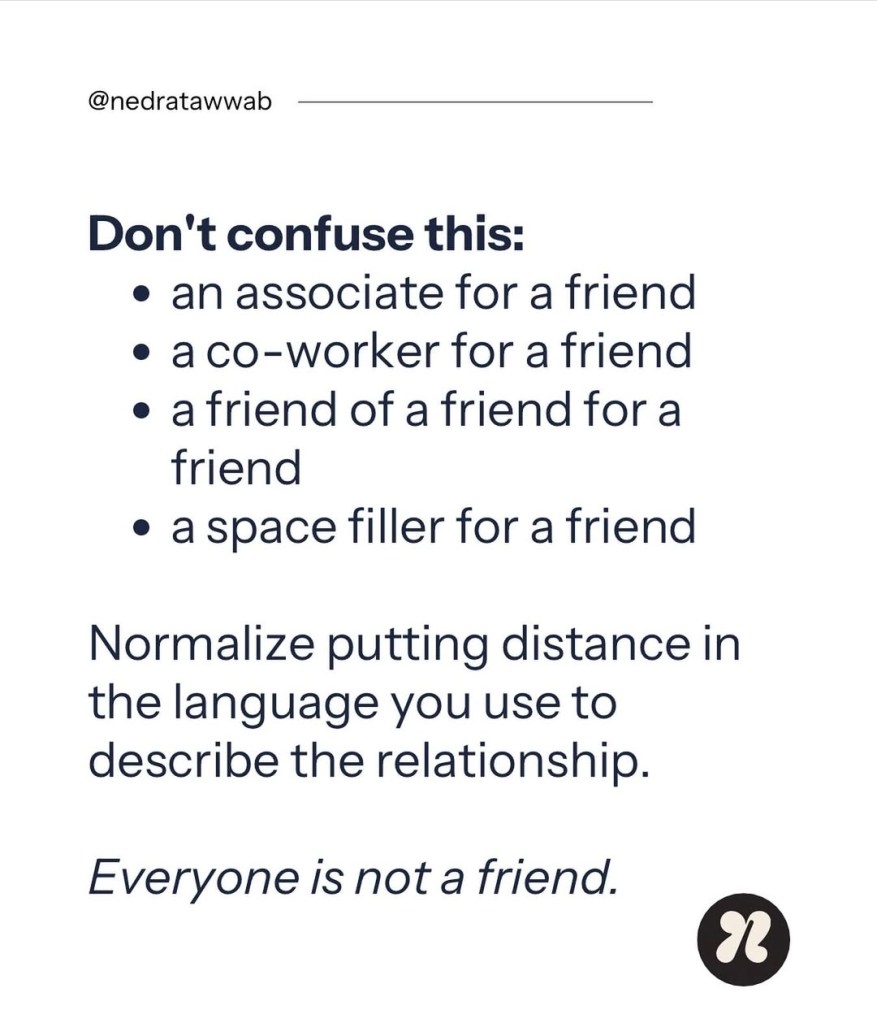
I make it a point to use the terminology that best describes the relationship. I don’t do this to rank my friendships, but rather to have a better internal understanding of the relationship. Everyone in my life is not supposed to be a friend.
It is also interesting to note that “Best Friends” are a modern invention, and this friendship category can sometimes be more about exclusivity than mutuality.
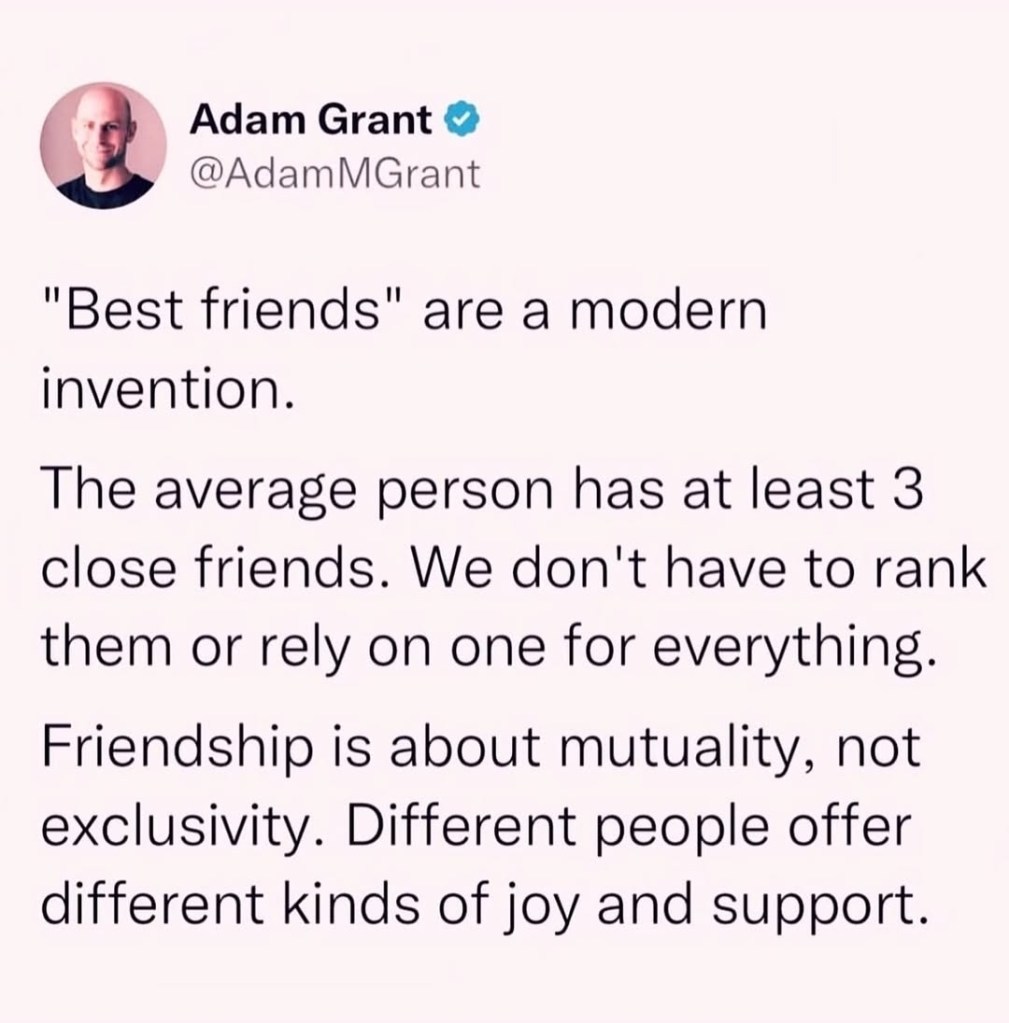
I have a few close friends who I rely on for different things, and all of those close friendships are of equal importance to me.
2) It is normal to outgrow relationships. Dr. Nicole LePera, The Holistic Psychologist, recently posted the following on social media about friendships:
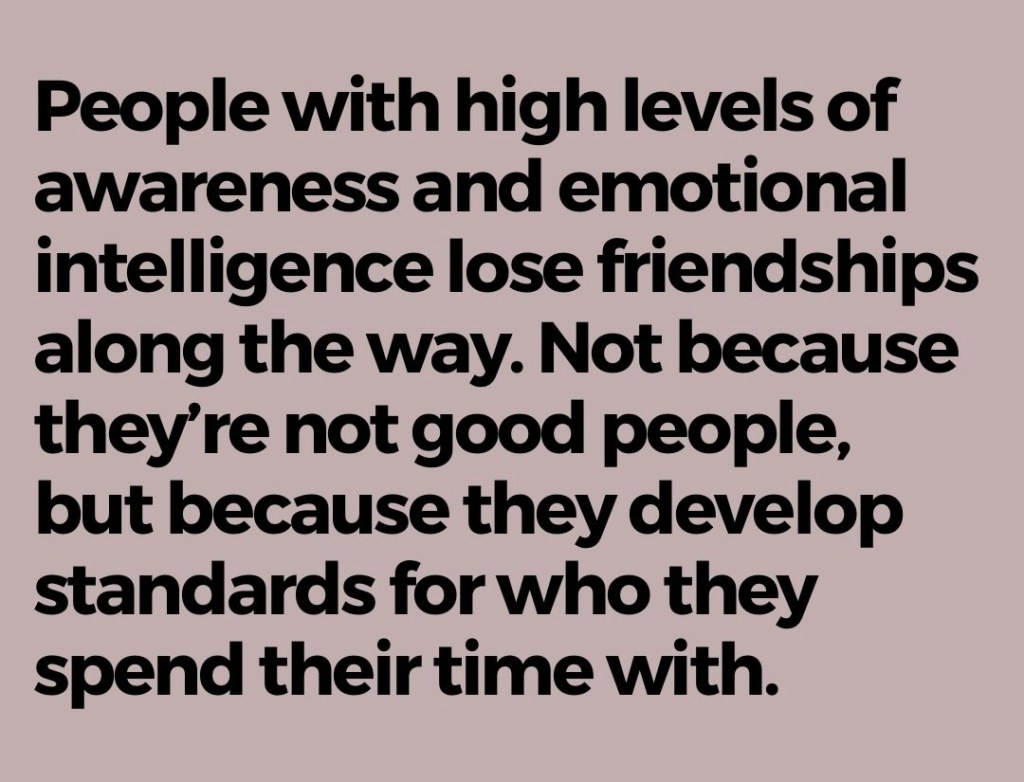
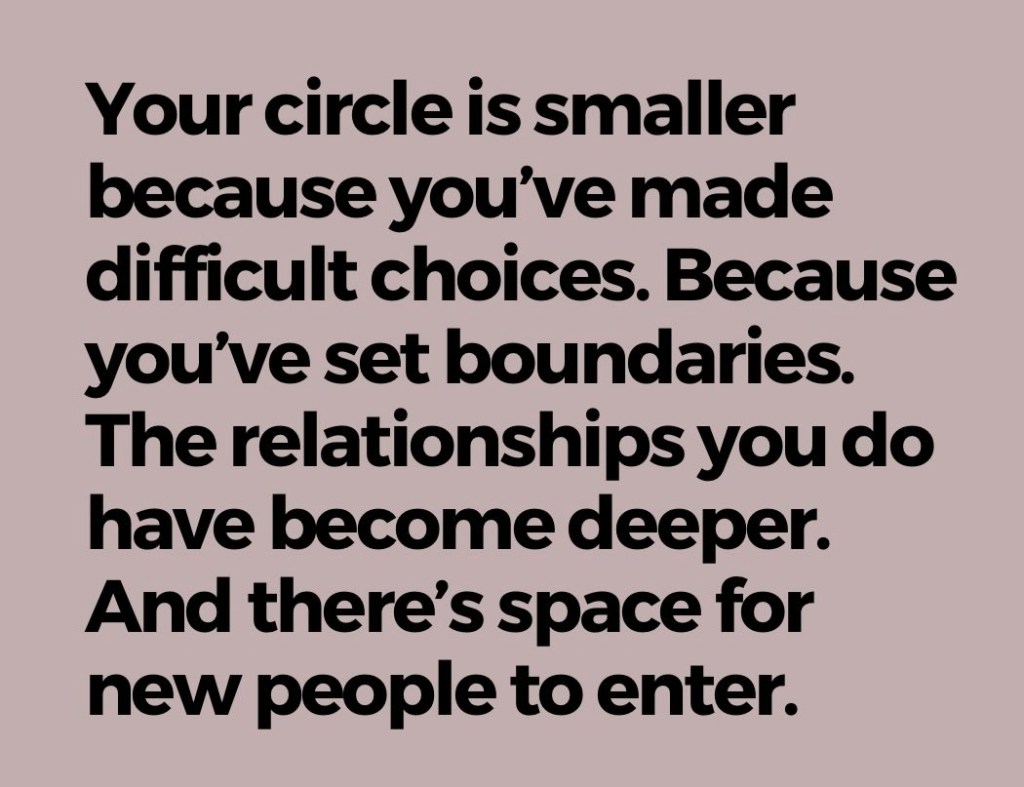
I have outgrown quite a few friendships over the last few years. This doesn’t mean that my former friends are bad people. In many cases, we have simply grown apart and/or one of us has needs within a friendship at this point in our lives that differ from the other person. Maybe we will grow closer again during a different phase of life. Friendships can ebb and flow. If there is pain that arises from a friendship, it is usually because one person wants the relationship to stay the same and the other person is okay with the ebb and flow. I find it best when friendships are fluid.
3) The deepest relationships reveal themselves during moments of crisis. Being authentic and vulnerable and sharing what we experience on this health journey in a public way has brought clarity to the various types of relationships in my life. There is now a very clear distinction between my deepest friendships and the rest of the friendships/relationships in my life, and I am grateful for the clarity.
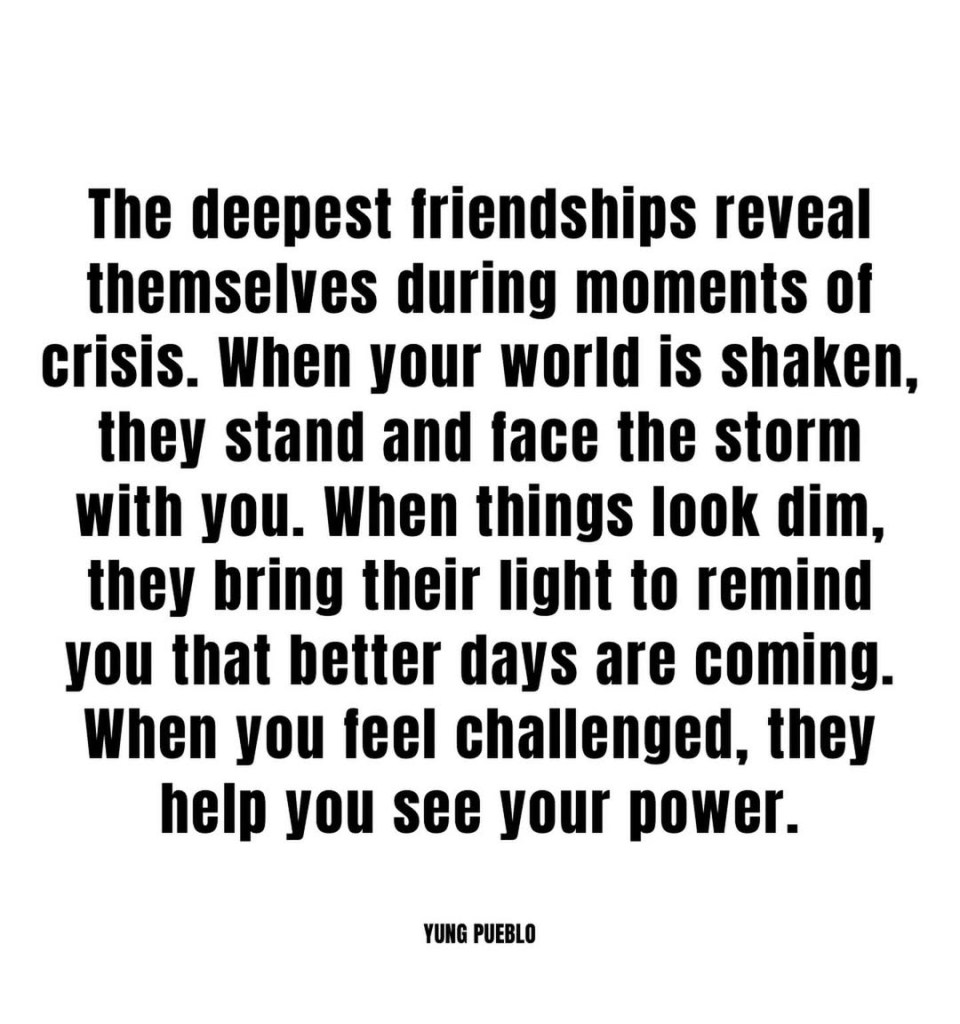
A prime example is the card I received in the mail yesterday from one of my closest friends. At the end of her heartfelt words, she said, “I admire your strength, determination, and continued kindness.” When it is hard to see through the muck, she reminds me of my power.
4) True friends don’t gossip. If someone tries to gossip about another person in my presence, then I know that they are also likely gossiping about me behind my back.
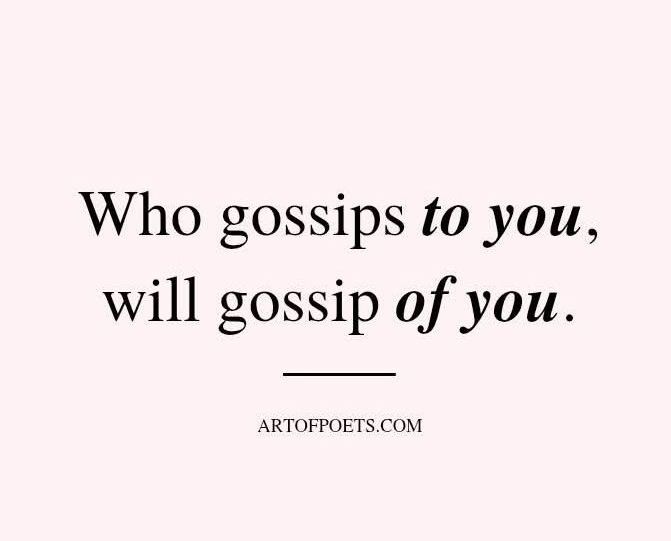
Being on a health journey that is complex and difficult to comprehend from the outside looking in, there are times when I hear about people gossiping about me behind my back. It is painful in the moment, but it also shows me what I need to know about my relationships with those people. If someone says that they are my friend, then I expect them to treat me with respect, just as I would do for them, even when I am not in the room.
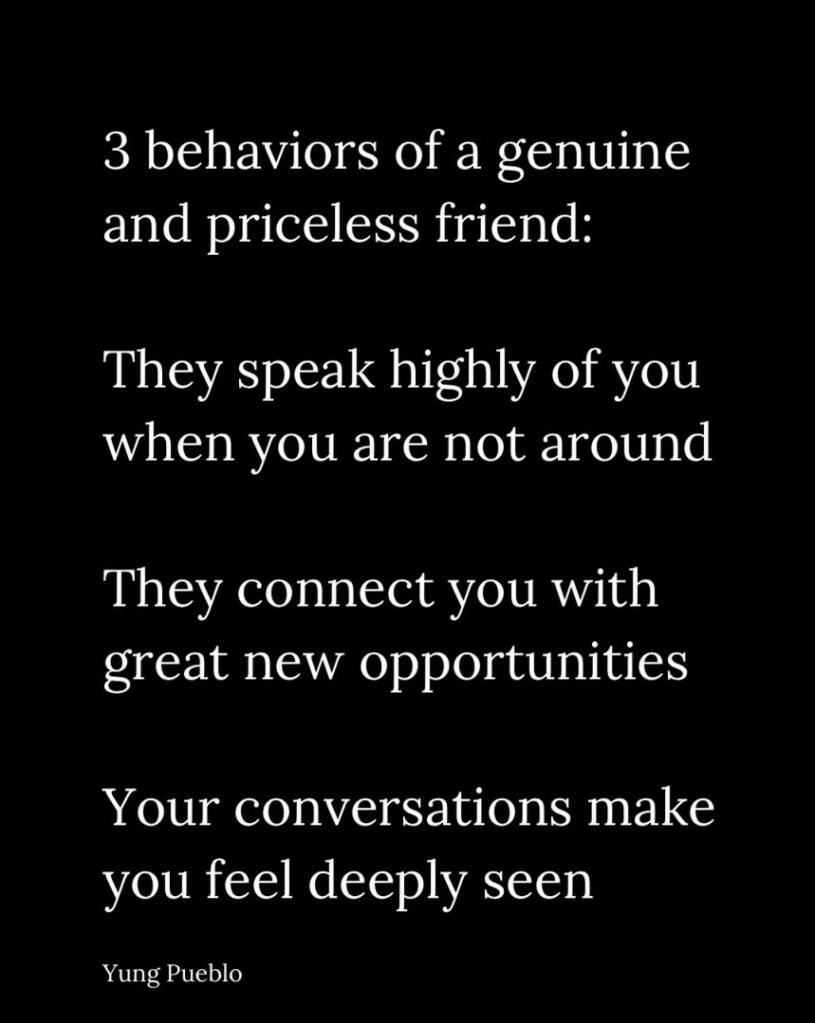
I once had someone say to me, “Everyone talks about people behind their backs. You are a fool if you think otherwise.” I wholeheartedly disagree, and I intentionally choose to associate with people who embody integrity regardless of the circumstances.
5) A person can love you but lack the capacity to love you well. There are some people in my life who love me but lack the emotional capacity to love me well during the difficult times. They have yet to develop the capacity to deal with their own emotions and feelings about what I am experiencing on this health journey, and it is impossible for them to show up for me when they haven’t yet shown up for themselves.
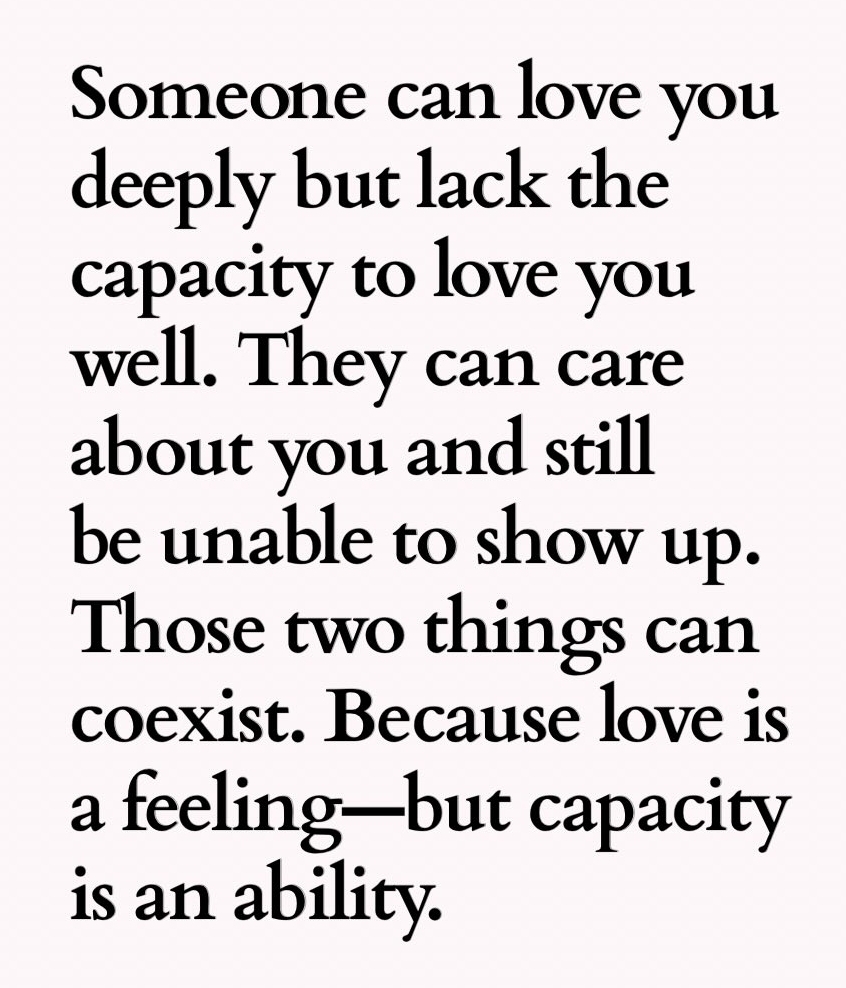
(credit: Dan Rosenfeld, PhD on IG)
If people don’t have the emotional capacity to show up for me, and they want to remain part of my life, then it is their job to expand their emotional capacity. It is not my job to make myself smaller in order for them to love me well.
Of course, there are people who make the choice to stop associating with me versus expanding their emotional capacity, and it is normal and healthy for me to grieve the people who choose disassociation over expansion.
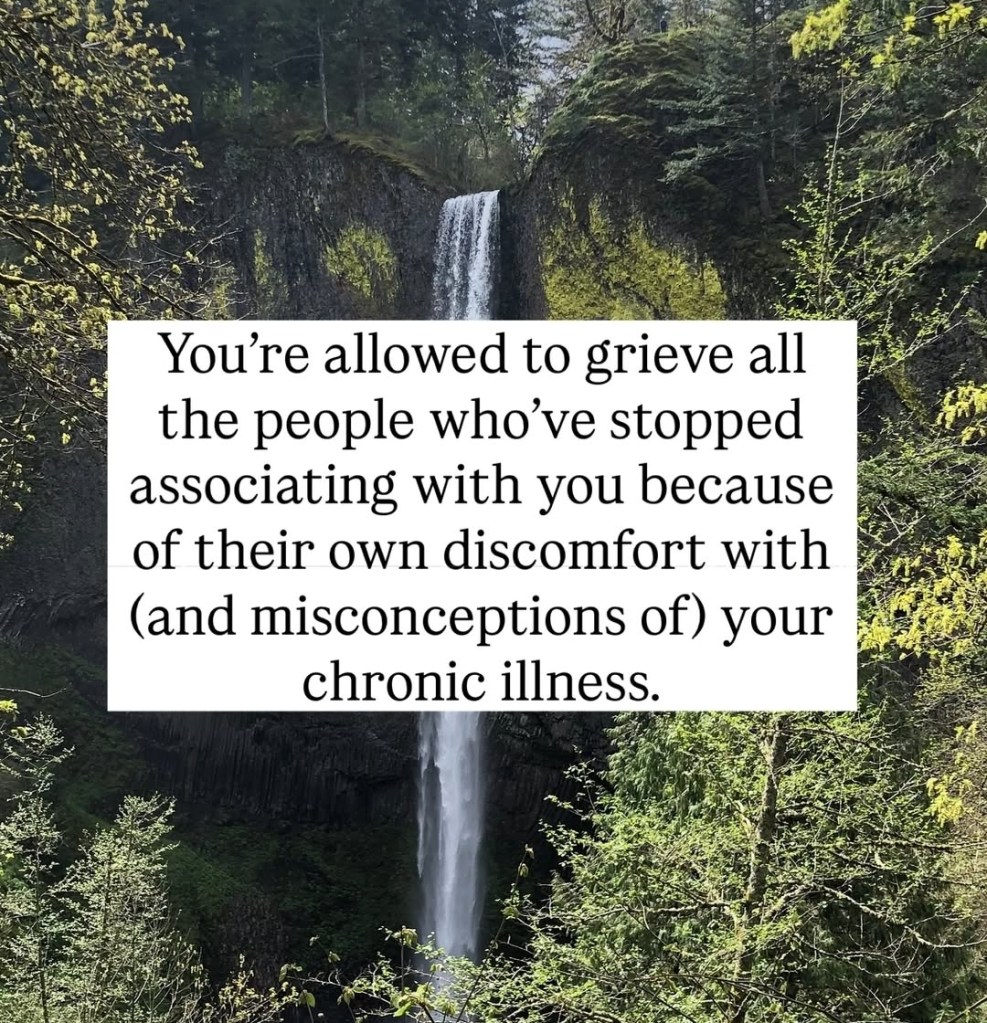
(credit: @chicorycounseling on IG)
Relationships are complicated in the best of times, but they are even more complicated when chronic illness is involved. Living alongside an invisible complex chronic illness while simultaneously learning about relationships the hard way is not something I would wish on anyone, but I am doing an excellent job if I do say so myself. This is one of the reasons why my husband, our inner circle, and our therapist frequently remind me that I am a badass and a warrior.
Brutal. Living alongside an invisible complex chronic illness while simultaneously learning about relationships the hard way.
Beautiful. The knowledge and clarity that I have gained about my friendships/relationships. Emotional intelligence. Emotional maturity. Expanding emotional capacity. Building deeper connections. Knowing who my people are. Being a badass and a warrior.
Just another day of . . . This Brutiful Life: The Brutal & Beautiful Moments of My Life.
 This Brutiful Life