

My husband and I recently updated our end-of-life paperwork. We both strongly believe in not leaving a pile of shit for someone else to clean up when we pass away. We originally completed the legal paperwork in 2010 after experiencing the trauma of my father-in-law passing away suddenly and unexpectedly, but we needed to update it in 2025 for a couple of reasons. First, we needed to make some adjustments to some of our wishes. Second, we needed to update our list of potential legal decision makers (estate and health care) since one of our previous potential decision makers moved to a different state.
As my husband and I were updating our legal paperwork, we knew that we needed to provide answers to important questions for our potential legal decision makers should something happen that prevents my husband and me from making decisions for ourselves and/or each other. Luckily, there are a variety of resources out there that provide assistance in this area. I follow a hospice nurse, Hadley Vlahos, RN, on social media, and she is a great resource. [Side Note: I have previously written about the New York Times bestselling book, The In-Between, by Hadley Vlahos, RN.] A while back, Hadley posted a video about the 5 important questions to answer for the people in your life who are your potential decision makers:
Even though the end of this video is funny, it does point out why it is important to choose potential decision makers who will honor your wishes. Before my husband and I finalized our legal paperwork, we spoke to the person who is first in line (after us) as our potential decision maker to make sure he was comfortable in that position. After completing the legal paperwork, we answered these questions in an email to all of the people we listed as potential decision makers in our paperwork. We picked people who we trust to follow through with our wishes to the best of their ability.
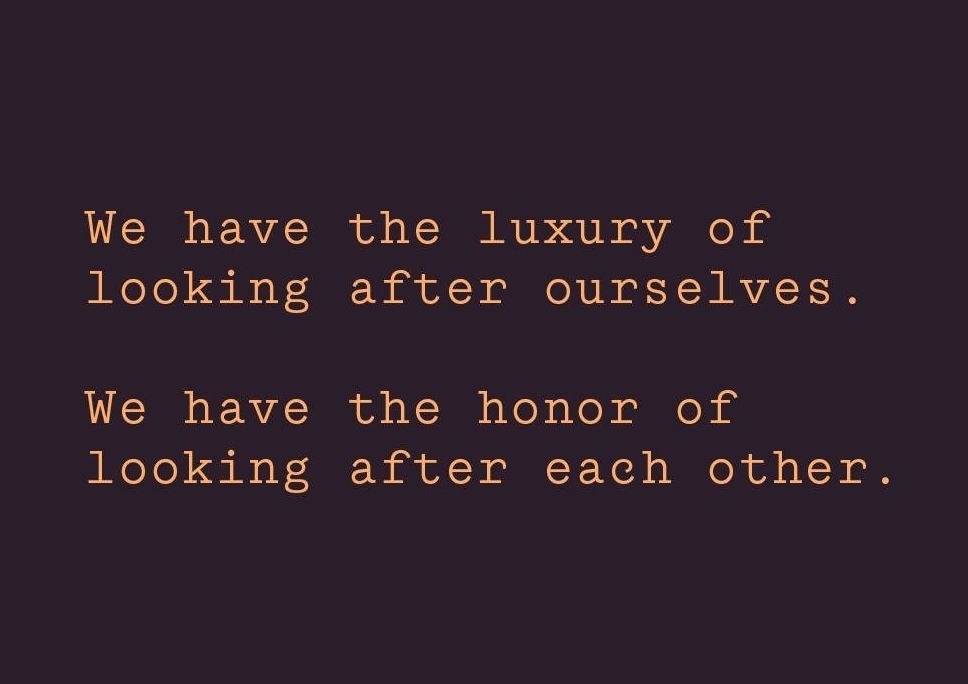
(credit: @simonsinek on IG)
I have been told that my husband and I are in the minority in believing in the importance of having the hard conversations before they are forced upon us. After taking care of my father-in-law’s estate in late 2009 without answers to these questions or legal paperwork to follow, we feel like it is irresponsible and inconsiderate to go through life without completing these tasks for the people in our life. If you feel the same way, please use this post as your reminder to complete these tasks. If you don’t know where to start, keep this in mind:
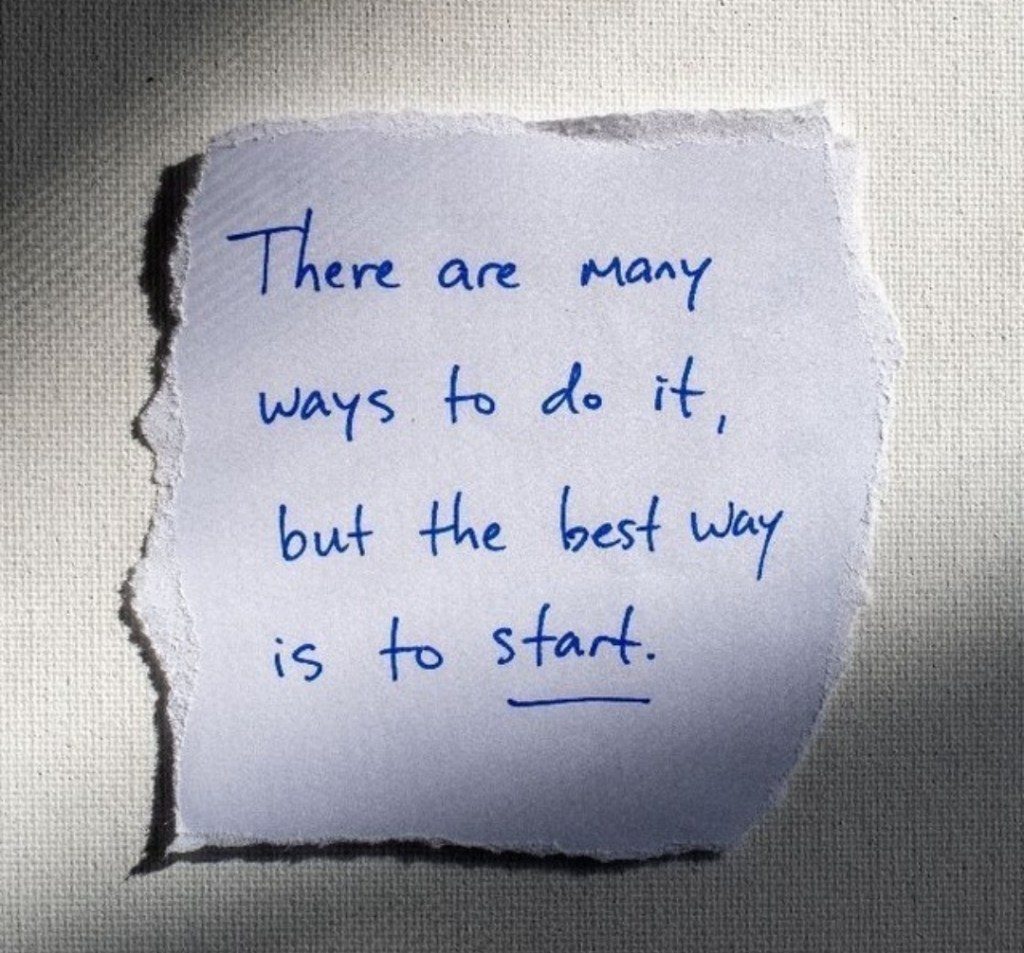
(credit: @poetryrise on IG)
The process can feel overwhelming, but simply starting it makes it easier. If anyone ever asks for my opinion on the approach, I always tell them to just take it one step at a time. That is my answer to most things in life.
It is also important to note that estate/health care planning is the responsible and considerate choice (from our perspective) regardless of financial status. This is not something that only “rich” people do. Regular people like my husband and me complete these tasks, too. Completing these tasks allows the people in your life to grieve instead of focusing on all of the stressful unknowns at the end of life.
Brutal. Uncomfortable conversations.
Beautiful. Planning for end-of-life so that loved ones can focus on grieving instead of the stressful unknowns. Having the honor of looking after each other.
Just another day of . . . This Brutiful Life: The Brutal & Beautiful Moments of My Life.
 This Brutiful Life