

The last few weeks have been exhausting on so many levels, and since the holiday season is fast approaching, I wanted to write a post about fatigue. There are many family obligations (opportunities? 🤣) around the holidays, and it can be incredibly taxing on someone who lives alongside a chronic illness. I am fortunate that I am surrounded by quite a few family members, so there are a lot of family gatherings to attend. While this is a blessing, it can also be incredibly difficult on me from a physical perspective. And, it can be even more difficult if the people around me don’t understand why I am so tired since I look “fine” on the outside. There are quite a few events that I have to decline either in advance or at the last minute, and it can be hard to understand why this is necessary if someone has not had the experience themselves.
Obviously, I am tired due to the fact that I am living alongside an invisible complex chronic illness. I am physically ill, and I am in constant physical pain. On top of that, I am still trying to work full-time in order to help pay for my medical care that is primarily not covered by insurance. Then, there is the “job” of making sure I complete my daily regimen in order to be a semi-functioning human. I am also my own medical administrative assistant. The amount of time I spend talking to doctors, making appointments, completing paperwork, dealing with insurance, coordinating procedures, labs, treatment protocols, etc. is ridiculous. Both the physical and mental/cognitive load are unsustainable in the long-term. The reasons why someone who is living alongside an invisible complex chronic illness is tired are obvious to those of us living it, but are usually not obvious to the people who don’t have the experience themselves.

Simply getting to a medical appointment can take a lot of work, and then the actual appointment is also draining. This sums it up relatively well:
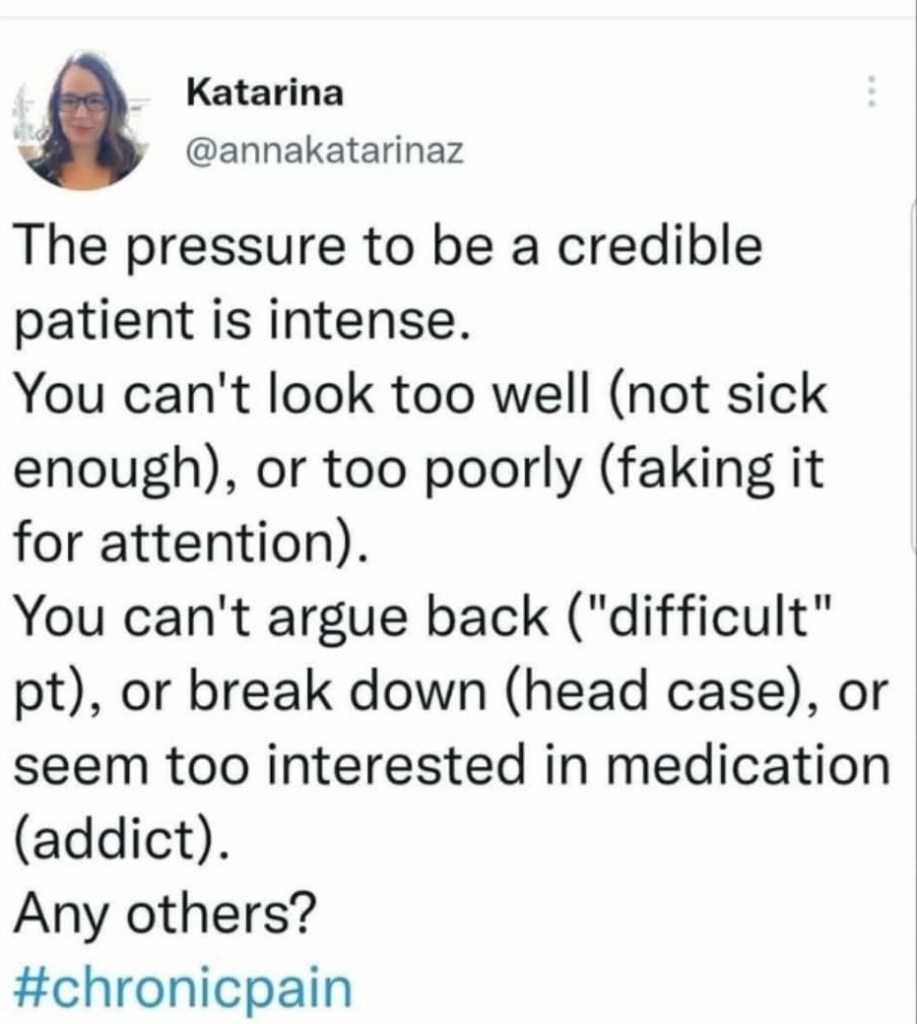
On top of the full-time wage-producing job and all of the daily medical shit, there is also the emotional side of living alongside an invisible complex chronic illness. I think most people have some idea of what is involved, but there is so much more to it than people realize. When someone is going through the most difficult time of their life so far from a physical perspective, they are also being pushed to the max from an emotional perspective. It is hard enough trying to maintain some degree of physical health, but add onto it staying emotionally healthy.
If you haven’t had the experience of living alongside an invisible complex chronic illness and are interested in gaining a better understanding of the emotional piece, picture the most difficult time of your life to date in some other area of your life. During this very difficult time, you probably weren’t your best self. You probably said or did some things that you wouldn’t normally have said or done because of how difficult this time in your life was. You used to have great coping skills, but when you entered the most difficult of times, the coping strategies that used to work for you no longer worked. Maybe you even brought back some old maladaptive coping strategies that you learned as a child that you thought you had already worked through. Not only do you have to deal with this most difficult time of your life as you are living it, but you also then have to deal with the other stuff that is coming up for you from an emotional perspective. You might start to see where the holes are in your coping skills. You know that you have to try to use healthy coping strategies instead of maladaptive coping strategies, but that is hard to do during this most difficult time. You might also realize that the people you thought would be there for you aren’t actually capable of being there for you, and you need to work through the pain associated with that. You also have to try to not take the stress out on yourself and the other people in your life, and you definitely can’t let this difficult life event impact your physical health. In addition, this difficult life event has no end in sight, so you need to be able to handle this difficult life event while simultaneously managing your emotional health and personal relationships for however long this lasts. Oh, and let’s not forget that if you live with another person, and that person loves you dearly, then that person is probably also dealing with the most difficult time of their life at the same time. This person is also working through their feelings and evaluating their own coping strategies. Even though both of you are being pushed to your max on a daily basis during this most difficult time, you know that you need to do your best to support each other and not take any of it out on each other. You each need to try to be your best self so that your most cherished relationship is still intact once this situation eventually passes. Basically, you need to try to be an even better human during this most difficult time than you are during easier times, because everything you hold dear depends on it. (No big deal, right? 🤣)
Managing both the physical and emotional health aspect at the same time is exhausting, but it also very important to long-term happiness. My husband and I have been aware enough on this journey to know that we need to simultaneously do both. Instead of destroying our relationship, we want this storm to reveal what is solid about our relationship.

(credit: unknown)
My husband, my medical team, our amazing therapist, and the other active participants in our daily lives frequently tell me that they don’t know how I manage it all. They have no idea how I am able to do all of this and still find joy. Since Day 1, they have been amazed at my ability to remain open, kind, and loving, and they haven’t been shy about verbalizing my strengths. They have made it clear that my resilience and window of tolerance for uncertainty are unmatched. However, I knew the toll that invisible complex chronic illnesses take on all involved, and I didn’t want to become complacent. I knew that fighting for my physical health while maintaining my emotional health was going to be challenging, so I put a support system in place. In addition, I knew that I would learn and grow a lot on a personal level throughout this health journey if I made it a priority, and so that is what I have done and continue to do. And, I am fortunate that my husband has always had a growth mindset as well.
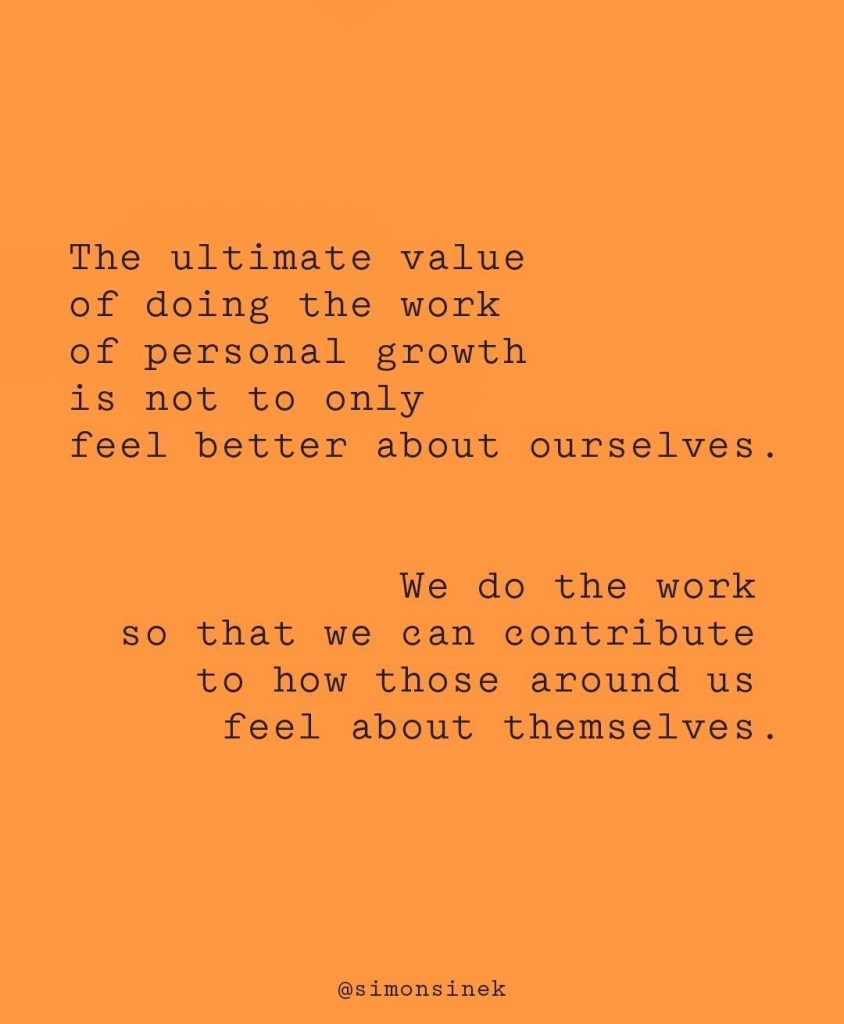
Our goal is to support each other and come out even better on the other side, and we are well on our way. However, this is no small feat, and it just adds to the exhaustion surrounding chronic illness.
There is tired, and then there is the combined physical, mental, emotional, and spiritual exhaustion associated with chronic illness. There is a huge difference. So, as the holiday season approaches, please remember that there are many reasons why people who are living alongside invisible complex chronic illnesses may not be able to participate in all of the holiday festivities. I guarantee that if they could change their circumstances, they would.
Brutal. The exhaustion that accompanies invisible complex chronic illnesses.
Beautiful. Fighting for my physical health. Maintaining my emotional health. Being a lifelong learner. Doing my best to live alongside an invisible complex chronic illness despite the exhaustion that accompanies it.
Just another day of . . . This Brutiful Life: The Brutal & Beautiful Moments of My Life.
 This Brutiful Life