

[Disclaimer: I am not a doctor, and this post is not medical advice. I am writing about what I know so far about my own health journey and am always updating my knowledge base along the way. If you have questions about your own life, contact a medical professional.]
I ended my previous post by acknowledging that one thing is for certain: The road ahead is uncertain. I have been told by both my main doctor and my amazing therapist, who specializes in chronic illness and trauma, that I am a very emotionally resilient person, and it seems like being resilient is going to be more important than ever for the next steps of my health journey.
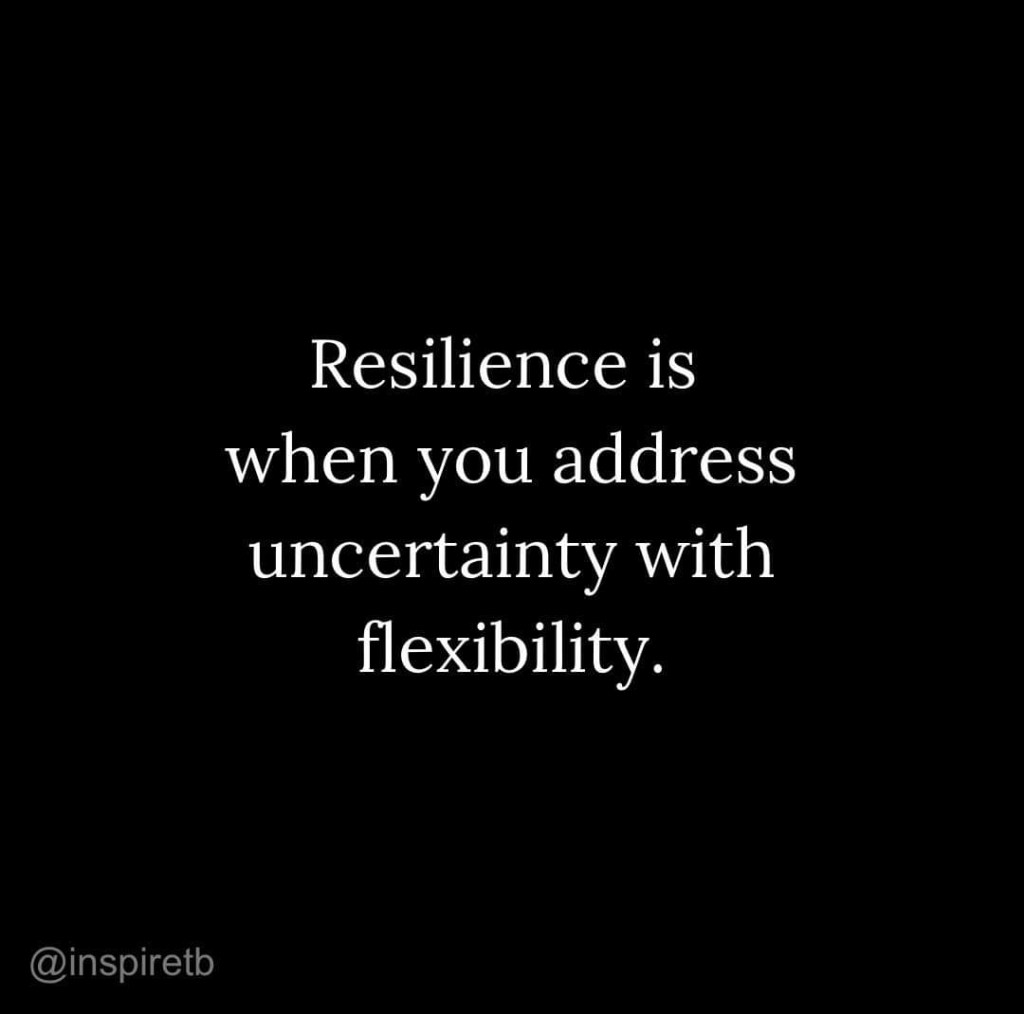
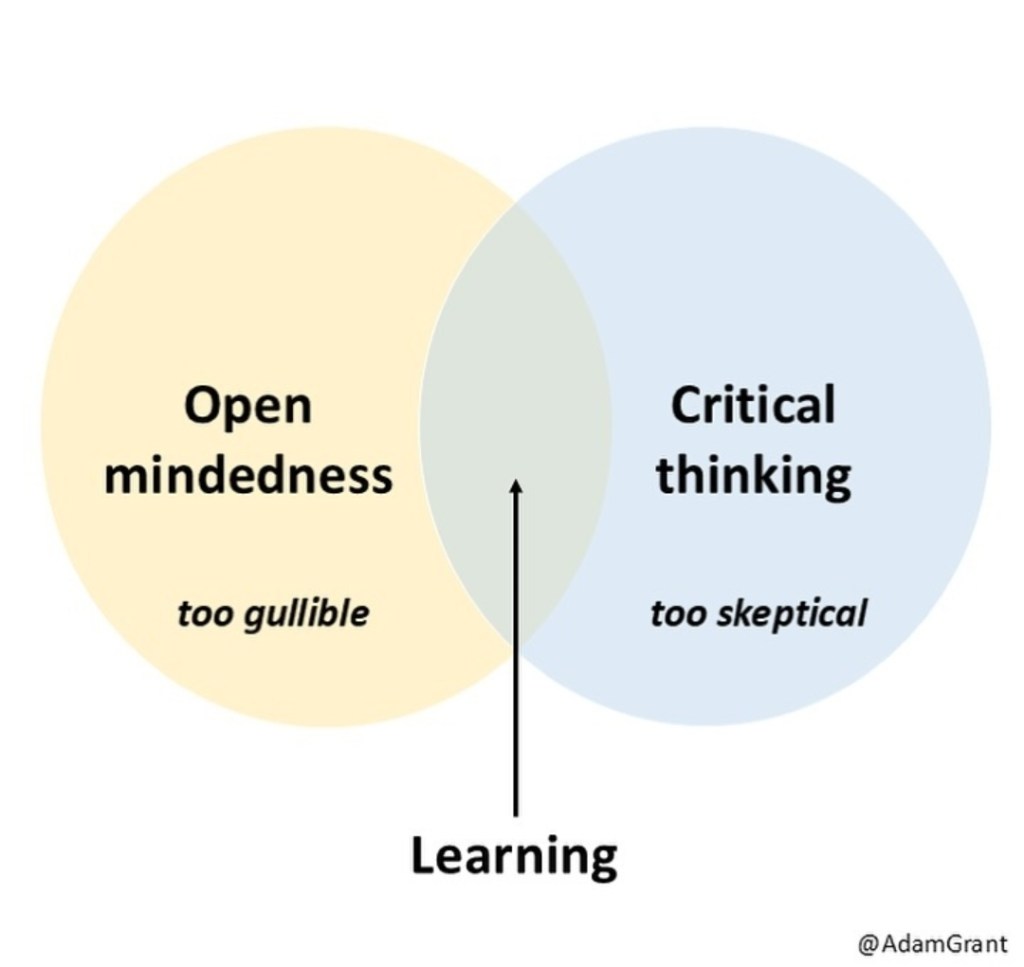
Except for the break my husband and I took during our Holiday PTO time together, we have been spending the last few months listening to the experts in our life, staying open-minded, gathering data, thinking critically, researching new information, and giving ourselves the time and space to process all of the data coming at us. In short, we have been learning as much as possible about potential next steps.
Here is the latest update . . .
Physical Health:
I have previously written about completing additional testing to get updated health data in certain areas, and we are still planning on doing that. I completed these same and/or similar tests in 2020 and 2021 with a previous doctor, but my main doctor and the complementary practitioner in his current practice both think an update would be beneficial. Due to factors beyond our control, I have yet to be able to complete these tests. We had an appointment with my main doctor this week, and he is going to discuss the situation with one of the other practitioners in his practice and get back in touch with me about a plan for completion. As I stated previously, these tests are not covered by insurance, but we all believe that these updated test results would be helpful at this time.
In addition, you may recall that I have been in the process over the last 6 months of slowly adding in 2 prescription medications to help with MCAS/histamine responses in my body. I am able to consistently take the full dose of the 1st prescription medication. However, the 2nd prescription medication causes more nausea and fatigue, so I am only currently taking about 1/2 of the full dosage amount. My medical team has decided to keep me at this dose for now.
Since my immune system is continuing to struggle even after adding in these 2 prescription medications, we (my medical team, my husband, and I) have decided to pursue the next step for MCAS/histamine treatment in order to try to return to the previous tentative plan for treatment. Here is a refresher of the previous tentative plan for treatment:
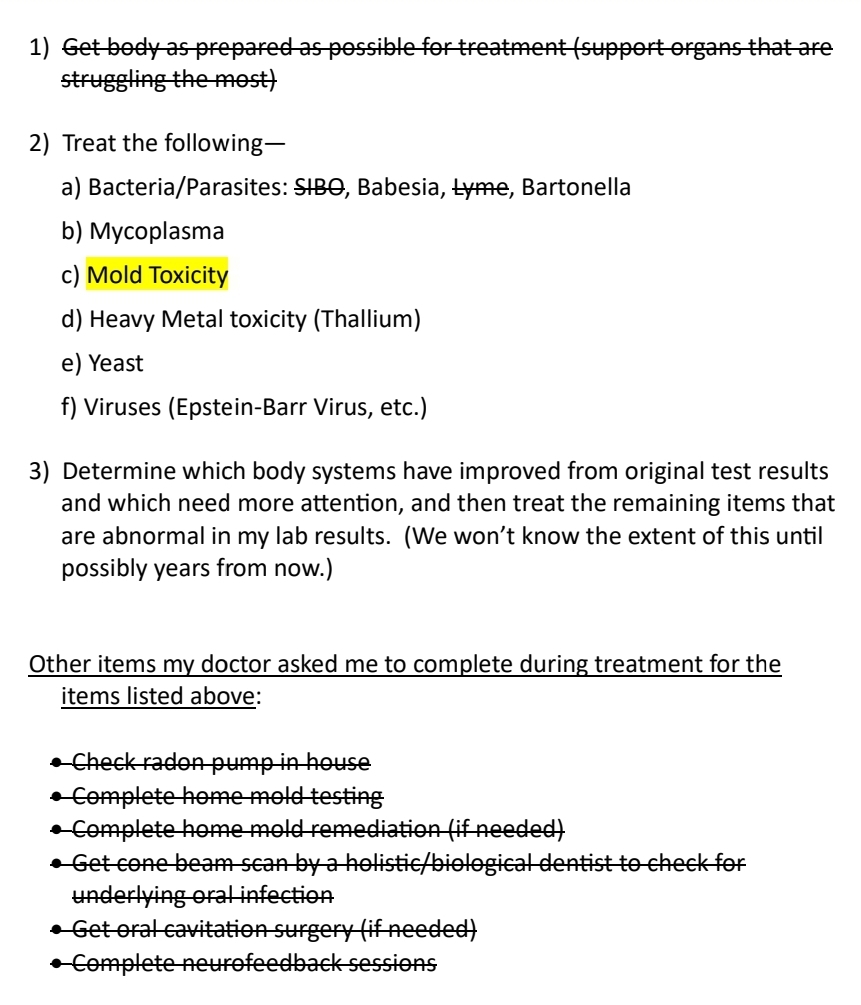
In order to be able to get back to this plan, we need my body to more readily accept treatment protocols. Unfortunately, my immune system fights against most treatment protocols since all of the pathogens and toxins in my body (Lyme, mold, etc.) cause innate immune activation. Anytime our immune system is off-kilter or out of homeostasis, it can lead to hypervigilance in the immune system, and that can lead to an imbalance in how the immune system functions. Basically, my immune system is exhausted from the constant fight against all of the foreign invaders (Lyme, mold, etc.), so it is increasingly reacting to everything that enters my body — good and bad — while also having trouble deciphering between foreign invaders and my own body.
This imbalance in how the immune system functions causes a dysregulated nervous system. My body is often in “Fight” mode due to the physical stressors (pathogens and toxins) in my body. When the nervous system is dysregulated due to physical stressors (and not emotional or psychological stressors), the best way to regulate it again is to get rid of the infections and toxins to bring the immune system back into balance. When the immune system gets back into balance, then the nervous system no longer thinks it needs to be in “Fight” mode and can become regulated again. However, my immune system is so exhausted due to the chronic physical stressors, it is hypervigilant and no longer knows how to function normally. So, we are in a cycle of immune system hypervigilance causing nervous system dysregulation . . . causing immune system hypervigilance . . . causing nervous system dysregulation, and so on.
I have been told, in no uncertain terms, by my team of medical professionals that my nervous system dysregulation is not caused by emotional or psychological factors (based on both quantitative and qualitative data), and emotional or psychological treatments will not address the root cause of the nervous system dysregulation — immune system hypervigilance — in my specific situation. However, my main doctor and my therapist have both indicated on many occasions that all of the work I have done on my emotional and mental health over the last 20+ years is the reason why I am still able to physically function in some capacity. If I hadn’t done all of the work to be emotionally and mentally healthy — learned and implemented all of my tools for nervous system regulation that help me stay as emotionally and psychologically regulated as possible as my body’s physical stressors increase and cause dysregulation — then my physical health would be even worse. The fact that I am emotionally and psychologically regulated a majority of the time given all of my body’s physical stressors is a testament to all of the work I have done to be mentally healthy. There is a good chance that I would have been bedridden by now without all the intentional work I have done in this area.
So, in addition to continuing to take the 2 prescription medications previously mentioned for treating MCAS/histamine responses, the next step in attempting to reduce my immune system hypervigilance (the MCAS/histamine response) is to try to do a temporary reset of the nervous system through a minimally invasive outpatient procedure called a Stellate Ganglion Block (SGB). [Side note: If you do an internet search on Stellate Ganglion Blocks (SGBs), it will say that SGBs are used to treat a variety of conditions that don’t apply to me and don’t seem to include MCAS/histamine responses. However, new research is indicating that the SGB can be an effective “off-label” treatment method for modulating immune system activity and for certain medical conditions, such as Long COVID-19.]
My main doctor has spent the last six months talking to colleagues from around the country and learning more about the benefits of SGBs for patients like me — patients who are literally doing all the right things to heal, doing everything that is asked of them by medical and mental health professionals, but are still struggling to heal due to their bodies being physically exhausted from many years of fighting against pathogens and harboring environmental toxins. He doesn’t have any patients like me who live in my area, but he has at least 100 patients like me worldwide who have been utilizing SGBs in the last few months for MCAS relief. One SGB treatment has resulted in at least a small amount of improvement for most of these patients, but not all, so there is a chance that it won’t work for me. There is also a chance that I will need to do the SGB procedure more than once. We are currently looking into the steps for pursuing this option in our area. The verdict is still out on whether or not my health insurance will cover SGBs.
And, as always, if we obtain new information and/or data that tells us to go in a different direction, then we will do just that. Until then, onward we go.
Emotional Health:
As is normal for someone in my situation, I am experiencing a mix of various feelings and emotions all at the same time. First, I am feeling hopeful based on what we know so far about the SGB option. I would be lying if I said that I was not nervous about it at all, but I am mostly hopeful.
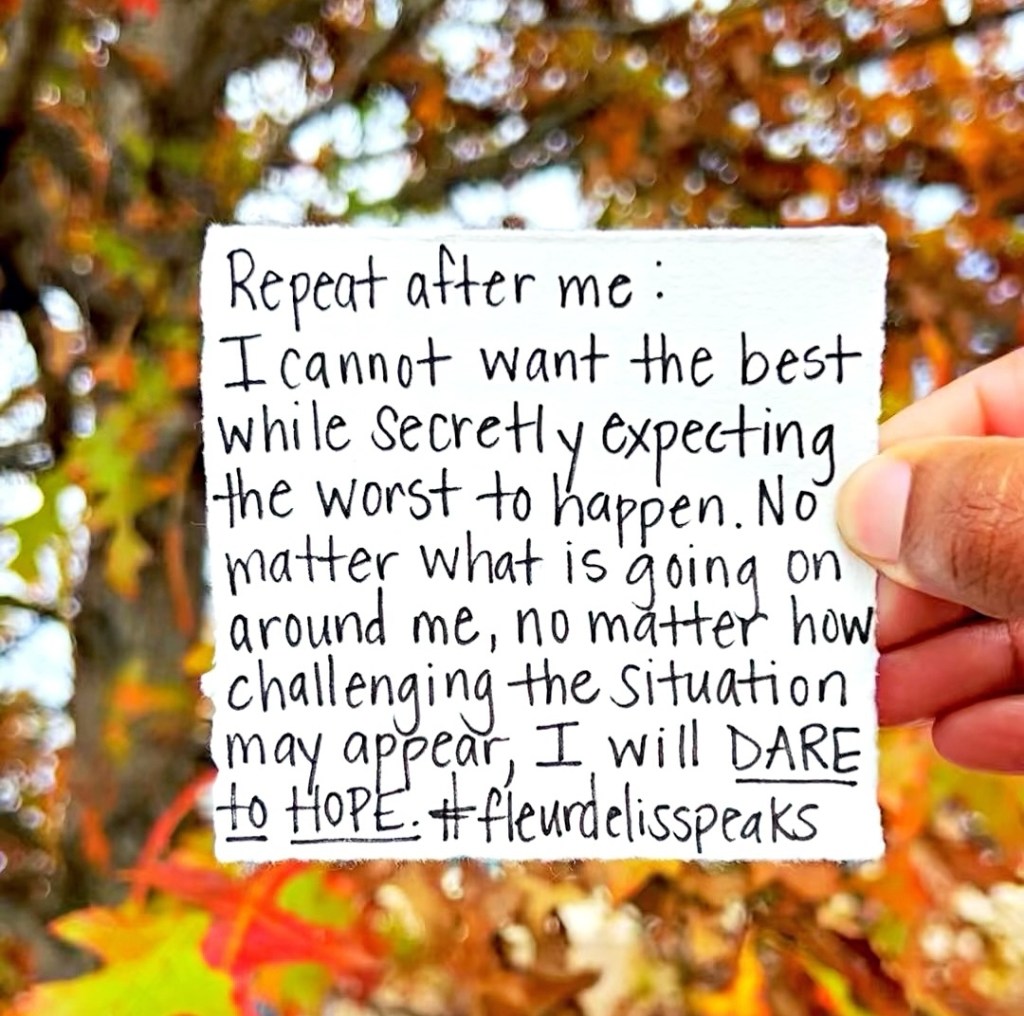
Gratitude is another big one. I am grateful that my main doctor is someone who is a seeker of new information, always wants to grow his knowledge base, and is determined to help as many people in my situation as he can. I am also grateful that I feel truly seen by him. He told me recently that he is certain the struggles I am having on this healing journey are not due to a lack of commitment on my part. He said that he wishes more of his patients were as committed to healing — physically, emotionally, and mentally — as I am. I am a very determined and resilient person, and he has an appreciation for these qualities. So, that was nice to hear.
I am also feeling extremely grateful for my support system as I publish this post. It would be impossible for a blog post to detail all of the test results we have reviewed, information we have learned, and discussions we have had with various experts. Yet, there are always people who read this blog and think they know more than us about my health situation. There are always people who are critical of the decisions we make. When I feel nervous about the apparently inevitable criticism I will face, I remind myself of all of the people in my life who will ride into battle with me and make me laugh.

(credit: @case.kenny on IG)
And, as always, the feeling of gratitude that I have for my husband is beyond measure. He sticks by my side through it all . . . all of the appointments, research, discussions, and feelings that arise. I am certain that if my colleagues from 20+ years ago voted again today, he would still be crowned as Husband of the Year! 🤣❤️
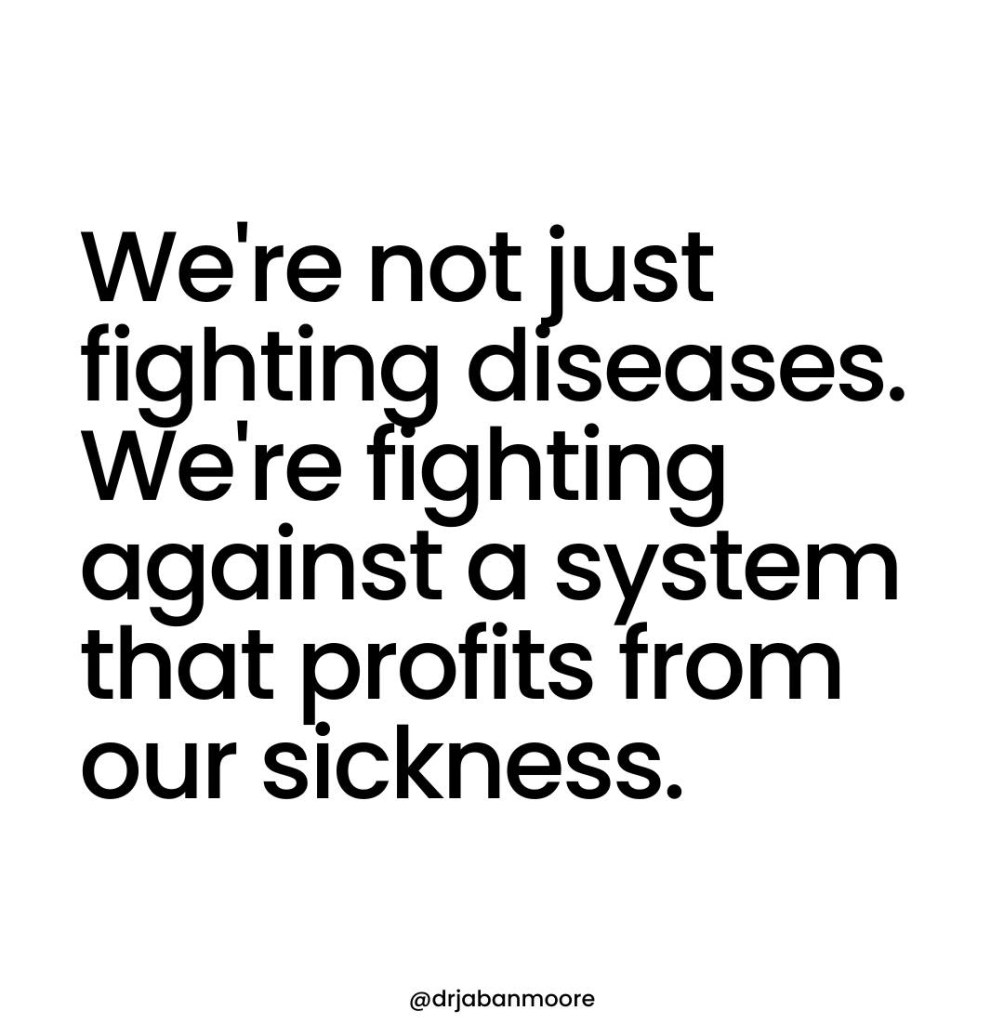
Brutal. Processing a lot of information at once. Fighting against a system that profits from my sickness.
Beautiful. My level of resilience. My willingness to keep learning. Daring to hope. Feeling seen for who I am by my main doctor. Remembering who will ride into battle with me and make me laugh along the way. My amazing husband who will forever be Husband of the Year.
Just another day of . . . This Brutiful Life: The Brutal & Beautiful Moments of My Life.
 This Brutiful Life